PATL1 (Protein Associated with Topoisomerase II Homolog 1) is a crucial RNA-binding protein that plays an essential role in mRNA metabolism, including translation repression, mRNA decay, and processing body (P-body) formation. PATL1 functions as a scaffold protein in ribonucleoprotein (RNP) complexes, influencing RNA turnover and gene expression regulation. Dysregulation of PATL1 has been linked to various cellular dysfunctions and disease states (NCBI).
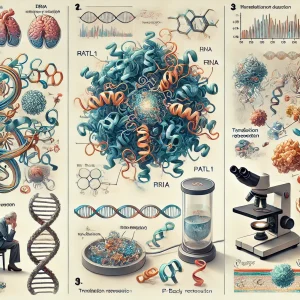
Structural Characteristics and Function of PATL1
PATL1 contains multiple functional domains that contribute to its role in mRNA metabolism, including:
- RNA-binding domains – Facilitate interaction with RNA molecules and other RNA-binding proteins.
- Scaffold domains – Aid in the formation of RNP complexes involved in translational control.
- Protein interaction motifs – Enable interaction with decapping enzymes and P-body components.
Research suggests that PATL1 regulates mRNA degradation through interactions with the decapping complex (DCP1-DCP2) and deadenylation pathways, making it a critical player in post-transcriptional gene regulation (National Human Genome Research Institute).
Clinical Significance of PATL1
PATL1 has been implicated in multiple physiological and pathological processes, including:
- RNA stability and translation repression – PATL1 contributes to the fine-tuning of gene expression through its role in RNA decay.
- Cancer progression – Aberrant PATL1 expression has been observed in certain cancers, where it may influence oncogenic signaling pathways.
- Neurodegenerative diseases – Studies suggest that PATL1 dysfunction may be associated with disorders affecting RNA metabolism, such as amyotrophic lateral sclerosis (ALS) and Alzheimer’s disease.
- Viral infections – Some viruses exploit PATL1-mediated mRNA regulation to enhance their replication and immune evasion.
Research into PATL1 provides valuable insights into its role in health and disease, highlighting its potential as a therapeutic target (NIH Genetic and Rare Diseases Information Center).
Role of PATL1 in Disease and Cellular Function
PATL1 exerts broad effects on cellular function, including:
- Regulation of mRNA turnover and decay mechanisms – Essential for proper gene expression regulation.
- Interaction with microRNA pathways – PATL1 is involved in modulating microRNA-mediated gene silencing.
- Potential biomarker for disease – Altered PATL1 expression levels have been linked to pathological conditions such as cancer and neurodegeneration.
PATL1 Antibody: Applications in Research and Medicine
The PATL1 antibody is a powerful tool for studying mRNA regulation, RNA-protein interactions, and disease mechanisms. Key applications include:
- Western blotting – To detect and quantify PATL1 protein expression in different tissues (Protein Atlas).
- Immunoprecipitation assays – For studying PATL1 interactions with other proteins and RNA molecules.
- Immunohistochemistry (IHC) and immunofluorescence – Used to visualize PATL1 localization in cellular compartments (Human Protein Atlas).
- RNA immunoprecipitation (RIP) assays – To analyze PATL1-bound mRNA targets.
- Flow cytometry – To assess PATL1 expression levels in different cell types.
These research applications highlight the significance of PATL1 antibodies in molecular biology and medical research.
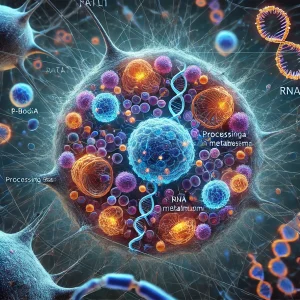
Current Research and Future Directions
Ongoing studies continue to explore PATL1’s role in RNA biology and its implications in various diseases. Some key research areas include:
- PATL1 as a potential biomarker for RNA metabolism disorders – Investigating its use in diagnostics.
- Targeting PATL1 in cancer therapy – Exploring its role in tumor suppressor and oncogenic pathways.
- PATL1 involvement in neurodegenerative diseases – Understanding its role in RNA metabolism and neuronal health.
- Viral interactions with PATL1 – Studying its function in viral replication mechanisms.
Conclusion
PATL1 is a critical regulator of RNA metabolism, with significant roles in translation repression, mRNA decay, and cellular function. The PATL1 antibody serves as an indispensable research tool, facilitating investigations into RNA regulation, disease mechanisms, and potential therapeutic interventions. As research progresses, PATL1 may emerge as a promising target for novel treatments in cancer, neurodegenerative diseases, and viral infections.
For researchers and clinicians seeking authoritative information on PATL1-related studies, resources such as NIH, PubMed, and Genomics England provide extensive literature and data on this essential protein.